
The Crimean War
We are carrying on with great Britain’s history and now we are in 19 century and there is yet another war to go through so lets go.
Crimean War was fought between 1853 and 1856 between Britain, Turkey and France against Russia.
Conditions on the front line were very poor and many soldiers were dying from illnesses which they caught in hospitals rather than from wounds.
Victoria cross was introduce by queen Victoria then.
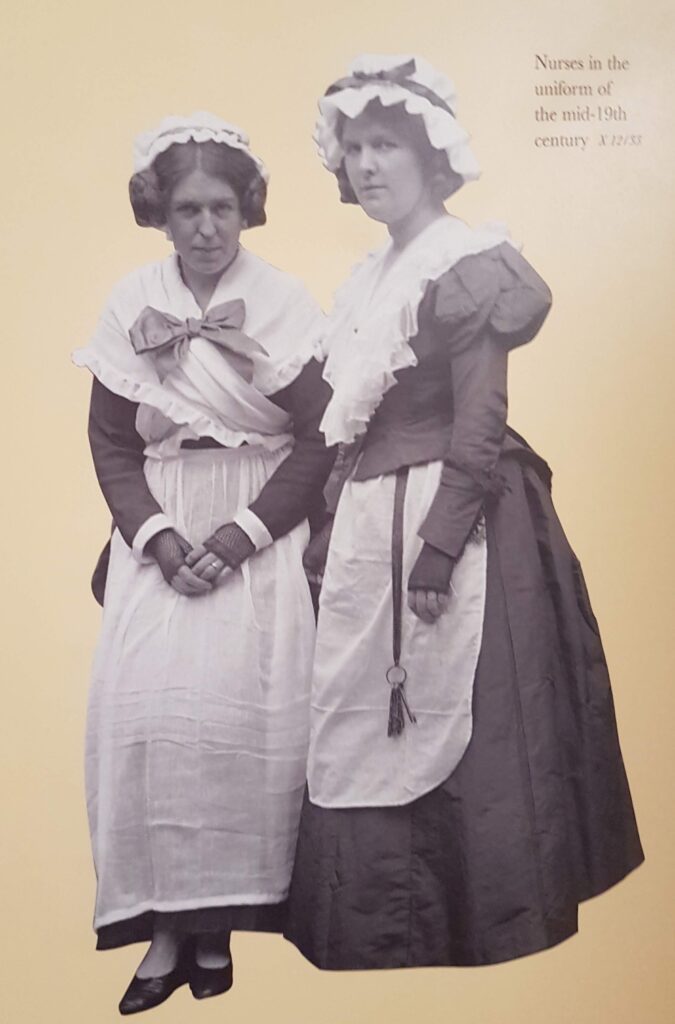
Connected with Crimean war is Florence Nightingale who used to run military hospitals in Turkey, treating wounded soldiers.
She was trying to improve conditions in hospitals & after coming back to England, she opened Nightingale Training School for nurses at St Thomas hospital.
Nightingale is regarded as the founder of modern nursing.
Ireland in the 19th Century
Life conditions in 19 century were not good.
Most of people depended on farming as a source of income and main crop were potatoes.
In the middle of 19 century there was a big famine and potatoes crops failed causing terrible hunger.
Million people died from starvation and diseases.
Another 1.5 million people emigrated to the United States and England, living in London, Liverpool. Manchester and Glasgow.
The Irish Nationalist movement was strong in 19 century.
So called Fenians wanted complete independence.
People like Charles S. Parnell wanted to remain in UK but to have its own parliament.
The Right to Vote
Middle classes, becoming richer and more influential, started to demand the right to vote.
The Reform Act (1832) increased number of people who could vote.
There was more political power in cities now but still voting was based on property ownership so working class people could not vote.
The campaigners calling themselves the Chartists send petitions of the Parliament but without a success.
Another Reform Act from year 1867 reduced amount of property which voters were obliged to poses to vote, but it was still not enough.
Majority of men still was unable to vote, same like women.
Political parties started slowly to reach other classes.
Universal suffrage movement (rights to vote for every adult male or female) started later in early 20 century.
Women had much less right than men.
Until 1870 property of a married woman became the property of her husband.
Acts of Parliament from 1870 and 1882 gave married women right to keep their own property and earnings.
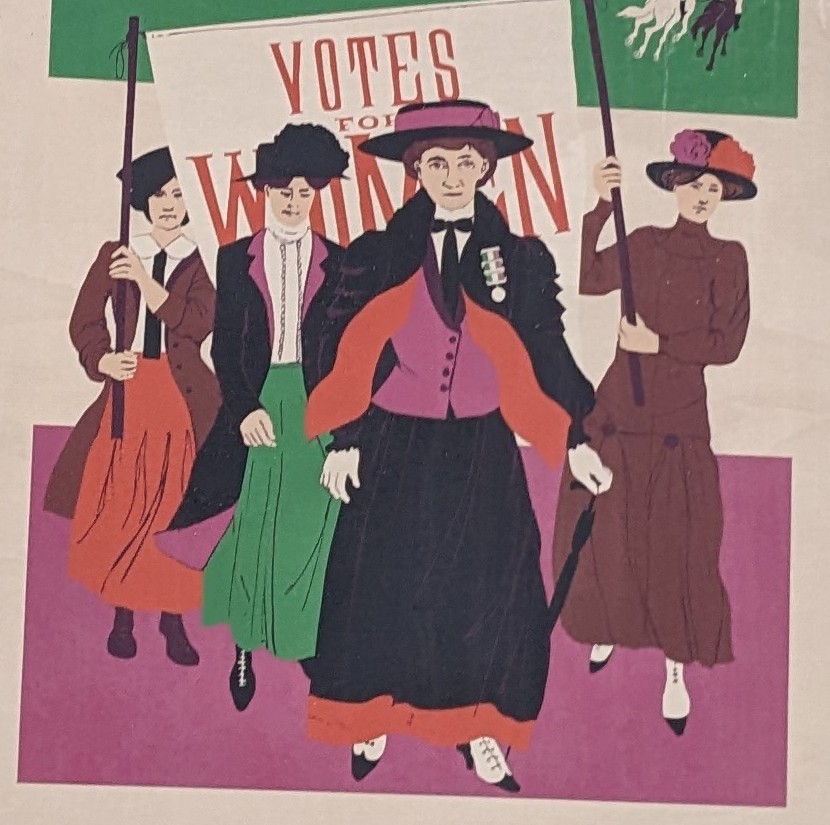
But later there was suffragettes movements early in 20 century fighting for women rights.
Emmeline Pankhurst was a famous British suffragette.
In 1928 women at the age of 21 were given right to vote, same like men.
The Future of the Empire
The Empire was believed by many as a good things but also by some as over-expanded.
The Boer War (1899- 1902) made a necessity of discussion about the Empire urgent.
Boers were settlers from Netherlands living in South Africa.
They wanted freedom and autonomy.
Many died during the war from wounds and illness.
People began to ask if Empire should continue.
In second part of 20 century Empire transformed into Commonwealth and countries of former Empire became independent.
The idea of British Empire as a force for good was promoted in poems and novels of Rudyard Kipling.
List of points which the Handbook points out as good to pay attention to:
- balance of power between Parliament & monarchy
- when & why Scotland joined England and Wales to become Great Britain
- the reason for a rebellion in Scotland led by Bonnie Price Charlie
- the ideas of Enlightenment
- importance of the Industrial Revolution, development of industry
- the slave trade and why was it abolished
- the growth of British Empire
- development of democracy during this period

Comments