The First World War
In early years of 20 century Great Britain was doing really well.
The Empire, the Navy, strong politicians and thriving industry made Britain a “superpower”.
It was time of social progress and improvement in lives of poorer people.
The new laws were passed to protect workers’ rights and safety and well as the rights of women.
Local governments became more democratic and MP’s (members of Parliament) received a salary what allowed more people to participate in public life.
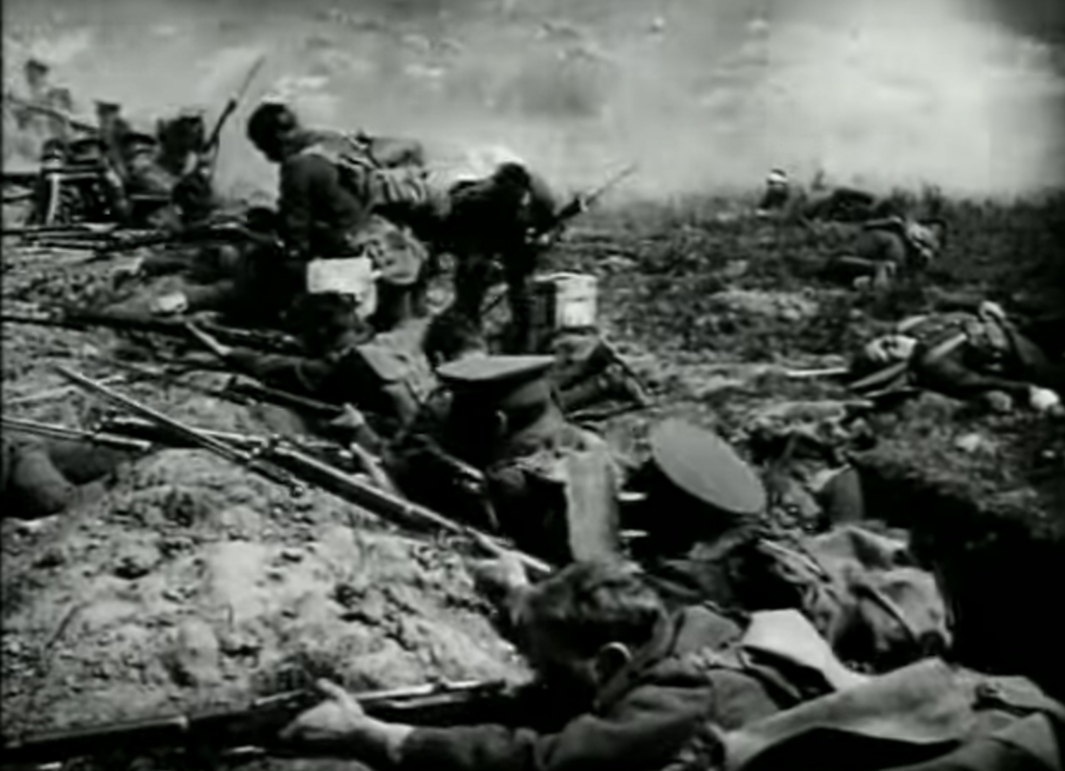
Then the war started on 28 June 1914 and a trigger was an assassination of Archduke Franz Ferdinand of Austria.
the other factors for break of a war was growing sense of nationalism in Europe, increasing militarism and imperialism.
The conflict was centred in Europe but nations from around the world were involved in it.
European powers divided into two camps.
Allied Powers included, except Britain, France, Russia, Belgium, Serbia, Japan, Greece, Romania, Italy & USA.
The whole British Empire was involved in the war including Indians, Africans, New Zealanders, Canadians and Australians.
The Allies fought against the central Powers which was Germany & Austro-Hungarian Empire, Ottoman Empire & Bulgaria.
Millions or people were killed, millions were injured.
Britain lost more than 2 million people.
For example during Somme battle (July 1916) only, 60.000 British soldiers were killed.
The First World War ended on 11 November 1918 at 11:00am.
The Allies won.
The Partition of Ireland
In 1913 the Irish were promised so called “Home Rule” which proposed self-governing with own parliament but still being a part of UK.
The proposal was opposed by Protestants in north Ireland.
First World War slow down the changes in Ireland so there was an uprising (the Easter Rising) in Dublin against the British.
Uprising leaders were executed so situation in Ireland was pretty tense until 1921 peace treaty was signed and in 1922 Ireland was split into two countries.
The six mainly Protestant counties in north Ireland stayed in the UK and were named Northern Ireland.
The rest of Ireland became The Irish Free State later transformed into republic (in1949).
There were constant conflicts in Northern Ireland which included terrorists attack and fight between Catholics and Protestants.
It was knows as “the Troubles”.
The Inter-War Period
We can learn from the handbook that living conditions in 1920s were improving including housing conditions,
In 1929 the Great Depression started and UK people, just like people in many other countries, struggled due to very high level of unemployment.
All industries were affected, especially shipbuilding, but there were also emerging new industries like manufacturing or automobiles and airplanes.
Cars became more affordable as prices of goods dropped.
The 1930s were time when many new houses were built.
British culture was also blooming with new prominent writers like Evelyn Waugh or Graham Green.
The new theories on economy emerged too (by famous economist John Maynard Keynes).
The BBC started broadcasting on the radio from 1922 and began first regular TV service in 1936.
Comments